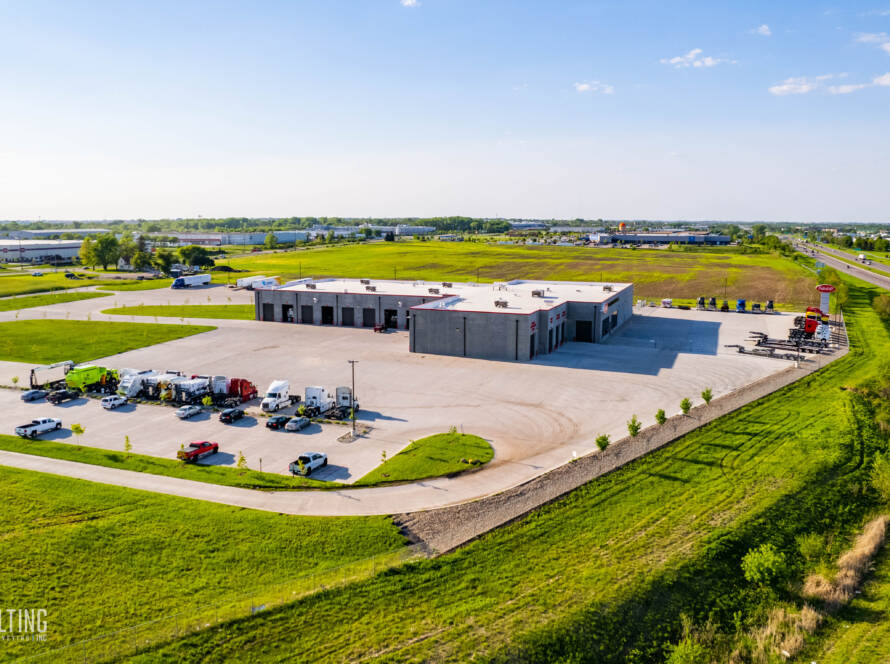
Managing stormwater is a critical part of land development, whether you’re planning a subdivision, commercial site, or public space. Without the right approach, runoff can damage infrastructure, harm the environment, and delay approvals. Two common strategies used to control these risks are stormwater retention and stormwater detention.
Developers and property owners interested in civil engineering in Altoona often find themselves weighing these two options when starting a new project. Let’s take a closer look at them to help you decide which one fits your project best.
The Role of Stormwater Management
Stormwater doesn’t disappear when it leaves a paved surface. It collects pollutants, accelerates erosion, and overwhelms drainage systems if not controlled. For communities, this can mean costly flood damage, deteriorating infrastructure, and negative impacts on water quality.
Effective stormwater management addresses these challenges by controlling how water leaves a site. A well-designed system can slow, store, and sometimes even treat stormwater before it reaches downstream waterways. At the same time, it ensures compliance with local and state regulations.
Every project site has unique conditions—soil type, slope, and space availability. Because of this, the choice between detention and retention is never one-size-fits-all.
Understanding Stormwater Detention
Stormwater detention is about timing. These systems are designed to hold water temporarily and release it at a controlled rate. The main goal is to reduce peak flows after a storm, preventing downstream flooding and protecting infrastructure.
Common Features
Detention systems often take the form of dry basins, underground storage tanks, or vaults connected to outlet structures. These outlets are engineered to control how fast water leaves the system.
Benefits and Use Cases
Detention is especially useful in urban and commercial developments where infiltration opportunities are limited. Parking lots, industrial sites, and areas with downstream capacity restrictions often rely on detention.
The benefits are clear: detention systems are efficient in controlling peak discharges, typically require a smaller footprint than retention, and can be cost-effective. However, they don’t reduce the total volume of runoff or significantly improve water quality, which can be a drawback in some projects.
Understanding Stormwater Retention
Retention systems take a different approach. Instead of only delaying runoff, they permanently store some of it. The stored water either infiltrates into the soil, evaporates, or is reused on-site. This process helps mimic natural hydrology and reduces the overall volume of water leaving a site.
Common Features
Retention features include wet ponds, bioretention cells, and rain gardens. Many of these systems are integrated into the landscape and provide both functional and aesthetic benefits.
Benefits and Use Cases
Retention excels at improving water quality. As water is stored and filtered through soil or vegetation, pollutants are removed before the water reaches groundwater or streams. This makes retention ideal for residential subdivisions, green infrastructure projects, or sites with enough space and good soil permeability.
The trade-off is that retention often requires more land and more maintenance, especially when vegetation is involved. Regular inspections and care ensure these systems continue working as intended.
Comparing Detention vs. Retention
Both approaches manage stormwater, but they serve different goals. The chart below highlights the key differences at a glance:
|
Aspect |
Detention |
Retention |
|
Storage Type |
Temporary |
Permanent |
|
Water Quality Benefit |
Minimal |
High |
|
Space Requirement |
Moderate |
Larger footprint often needed |
|
Common Use |
Flood control |
Volume reduction, filtration |
|
Regulatory Fit |
Suited for peak flow compliance |
Supports volume & quality goals |
Detention is focused on controlling peak flows, while retention goes further by improving water quality and reducing runoff volume. Many projects benefit from a combination of both strategies.
How to Choose the Right Approach
Selecting the right stormwater system depends on several factors:
- Site conditions: Sandy soils may allow for effective infiltration, making retention a strong option. Heavy clay soils, on the other hand, may be better suited for detention.
- Available land: Retention systems need more space, which isn’t always practical in dense developments. Detention, with its smaller footprint, can fit better in constrained sites.
- Project type and density: A residential subdivision might prioritize long-term water quality benefits, while a commercial development might focus on flood control and efficient land use.
- Local regulations: Some communities emphasize reducing peak discharge, while others set stricter water quality standards. Understanding these requirements early helps streamline approvals.
Maintenance needs: Retention systems with vegetation require ongoing care, while detention systems typically involve inspections and debris removal. A realistic maintenance plan ensures either system works as intended.
Find the Right Stormwater Solution with Abaci Consulting
Choosing between stormwater retention and detention can feel overwhelming. Each option has trade-offs, and the wrong decision can lead to higher costs, regulatory hurdles, or long-term maintenance challenges. You’re not alone in facing these questions—many developers and property owners share the same concerns.
Our team understands the balance you need to strike between compliance, performance, and budget. We’ve helped projects of every scale find the right fit for their unique site conditions.
If you’re ready for clear guidance and practical solutions, contact us today at 515-986-5048 or abaci@abaciconsulting.com. Together, we’ll create a system that protects your site and community with civil engineering Altoona expertise.